Consumer Trends that Stole the Spotlight at Licensing Expo 2026
The annual Licensing Expo continues to be the premier gathering for the global licensing industry, bringing together more than 5,000 brands and stakeholders spanning entertainment, toys, gaming, fashion, sports, publishing, food and beverage, and beyond. From legacy franchises to breakout digital-first properties, the show floor highlighted one undeniable truth: brand licensing is a powerful tool for storytelling, community building, and consumer engagement.
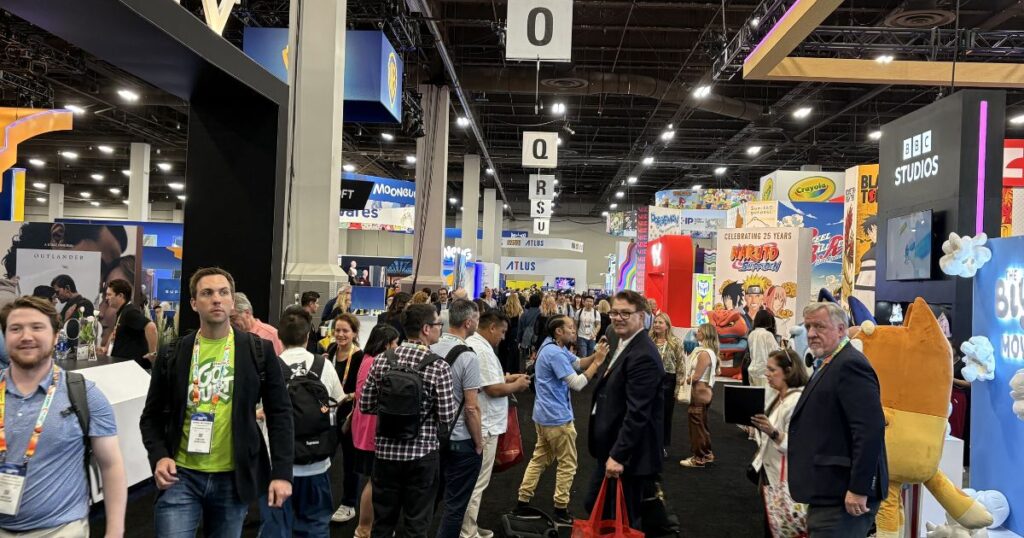
That evolution is translating into meaningful business growth. According to Licensing International’s annual Global Licensing Industry Study, global sales of licensed merchandise and services reached $389.8 billion in 2025 – a 5.45% increase year-over-year, and growth that outpaced the broader global retail market. As brands compete for attention in an increasingly crowded landscape, licensing remains one of the most effective ways to create emotional connection, cultural relevance, and retail excitement.
“Licensing trends are often a preview of where broader consumer engagement is headed,” noted Kaylie Easton, SVP, LPR. “What inspires me this year is how brands are moving back to creating real-life experiences and emotional points of connection, which will absolutely influence how we approach our PR plans as well, considering everything from creator collaborations and media outreach strategies to event sponsorships, retail activations, and so much more.”
Here are three key trends from this year’s Licensing Expo that we believe will continue shaping brand and consumer engagement in the year ahead:
Authenticity Matters More Than Ever
The most successful collaborations today are rooted in shared values, complementary audiences, and a clear reason for being. Consumers – particularly Gen Z and younger millennials – are increasingly savvy about partnerships that feel forced or purely transactional.
The collaborations generating the most buzz at Licensing Expo were the ones that felt organic: brands with aligned missions, creators with genuine fandoms, and partnerships that extended naturally into lifestyle, entertainment, or fandom culture. Whether through co-branded products, influencer collaborations, or experiential campaigns, authenticity has become the difference between a momentary launch and long-term consumer affinity.
Experiential & IRL Engagement Continues to Surge
Consumers are actively seeking experiences that allow them to step inside the worlds of the brands they love. Licensing Expo showcased continued momentum around location-based entertainment, immersive pop-ups, themed attractions, live events, and interactive retail activations.
According to Licensing International, branded location-based entertainment, attractions, and promotions grew for the fourth consecutive year, reaching $10.1 billion globally. Much of that growth is being fueled by Gen Z and Gen Alpha audiences, who increasingly prioritize memorable experiences, shareable moments, and community-driven engagement.
For brands, the takeaway is clear: consumers want participation, not just products.
Nostalgia Still Drives Powerful Consumer Connection
Nostalgia continues to be one of the most effective emotional drivers across licensing and a broader marketing landscape. Familiar brands, characters, and properties offer comfort, escapism, and intergenerational connection at a time when consumers are craving feel-good entertainment.
What stood out this year was how brands are modernizing nostalgia for new audiences – reimagining classic IP through contemporary collaborations, elevated design, digital content, and social-first storytelling. We’ve seen brands like Richard Scarry’s Busy World explode among young adult consumers through collaboration with adult-targeted artists and apparel makers, and Sony Pictures is continuing to invest in legacy franchises like Jumanji to keep them relevant for today’s audiences. The brands winning in this space are not simply recreating the past; they are finding fresh ways to make legacy properties culturally relevant again.